



Our
wines
Among all our wines, Sangiovese takes center stage, observed and interpreted in all its facets. Every choice, every action and every thought are devoted to the pursuit of its most authentic expression.
Generous yet delicate, Sangiovese finds its natural balance in the poor, galestro-rich, stony soils of Castelnuovo dell’Abate. Here, the vines, trained with the spurred cordon method and now mature, naturally yield very limited quantities, up to a maximum of 1–1.5 kg of grapes per plant.
Harvest timing is decided in the vineyard, through tasting the berries and careful sensory analysis: everything starts from the flavor. It is a temperamental grape, one that requires patience and attentiveness, and that can make you wait before revealing its finest balance.
Its expression changes profoundly depending on the location of the vineyards. Slopes, exposures, altitudes and soil composition all influence the character of the wine, giving rise to different interpretations of the same grape variety: some more taut and vertical, others deeper, sun-drenched and enveloping. It is precisely in these differences that the territory is able to express itself with greater precision and uniqueness.
2024
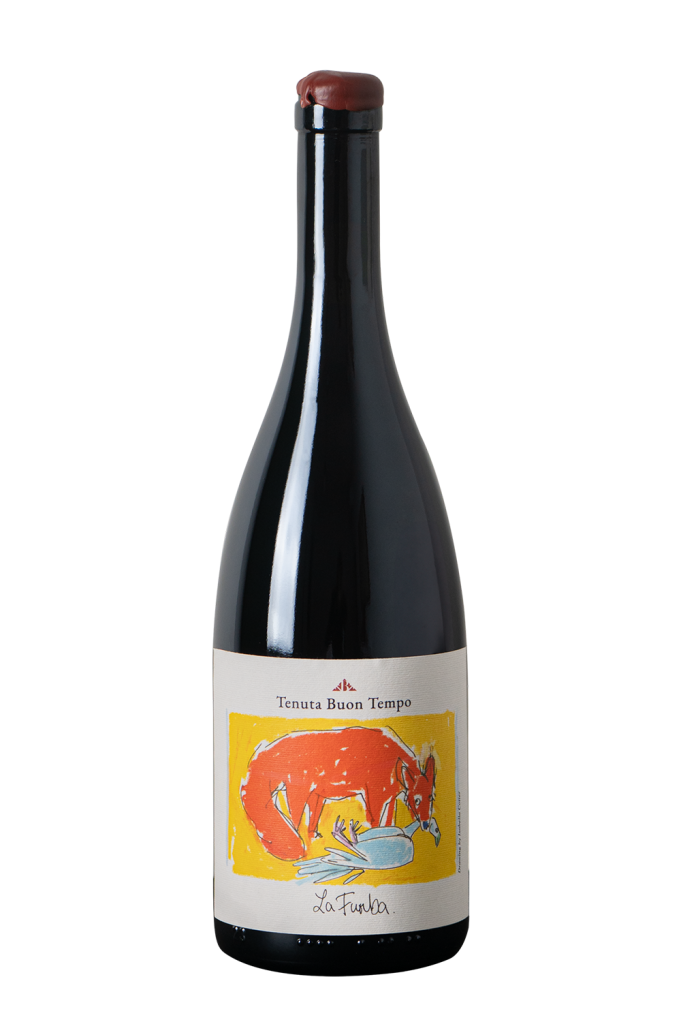
LA FURBA I.G.T.
Dedicated to the fox that stole the Thanksgiving turkey, this aromatic and fruity Sangiovese comes from a 1.9-hectare vineyard, planted in 1996, facing North-East, at 275 m above sea level. Trained with the spurred cordon method at a density of 3,500 plants/ha, it grows on clay of oceanic origin, rich in skeletal material, crossed by a vein of water running between the central rows.
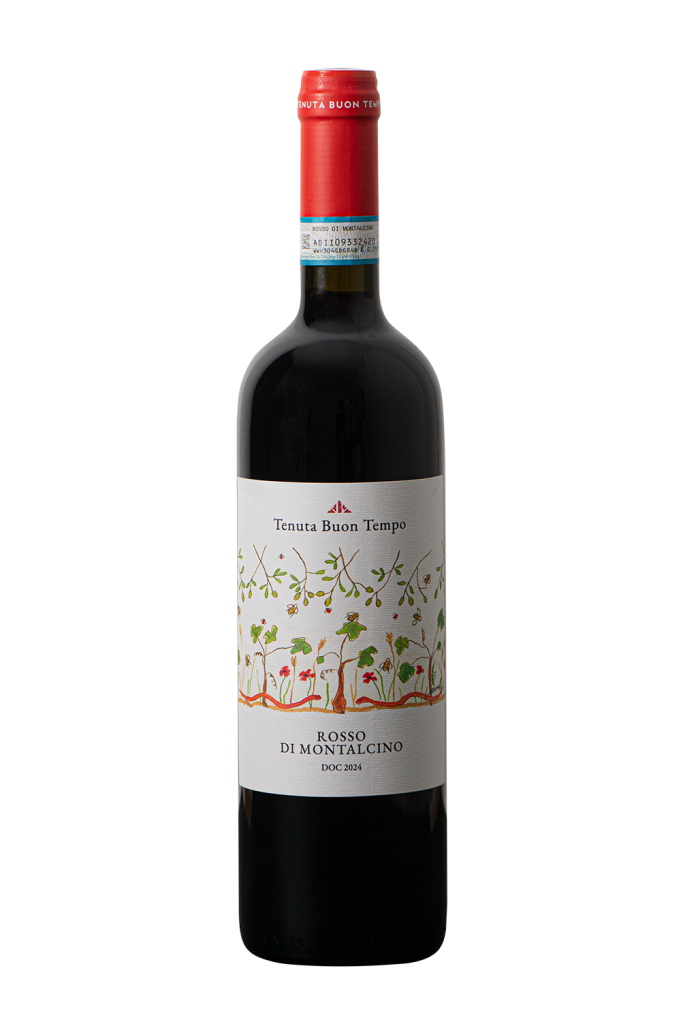
Rosso di Moltalcino D.O.C.
On around 9 hectares facing South-West and South-East, at 200 m above sea level, grow the vines planted between 2000 and 2001, trained with the spurred cordon and guyot methods at a density of 6,000 plants/ha. The calcareous-clay soil of the Sillano Formation, rich in skeletal material, gives rise to a wine that expresses the territory with clarity, in an immediate and authentic reading.
2024
2021
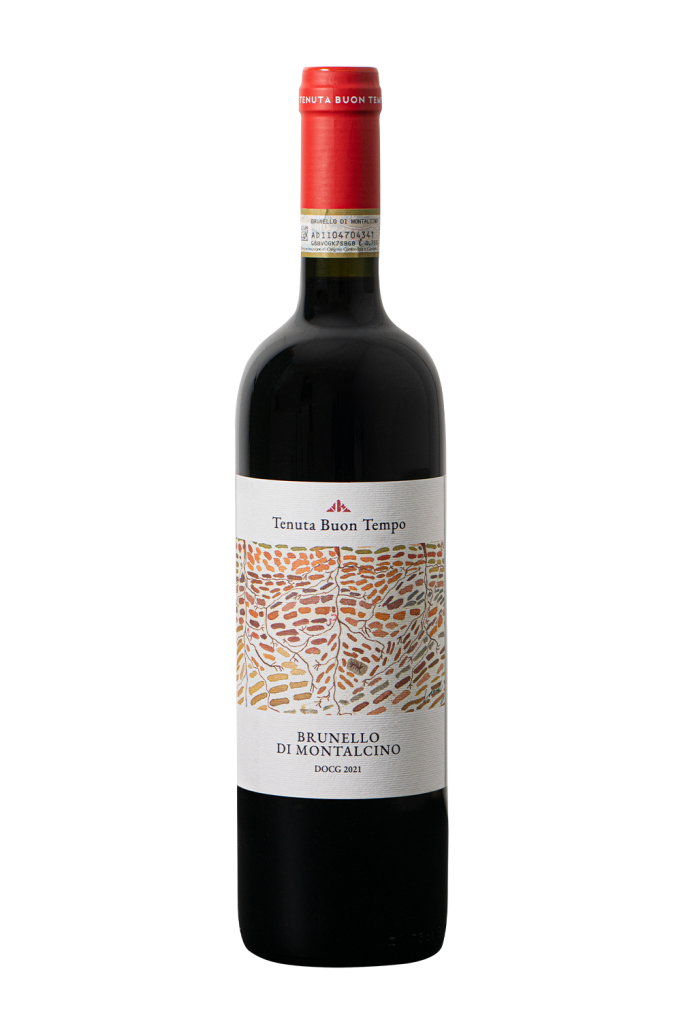
BRUNELLO DI MONTALCINO D.O.C.G.
Between 1994 and 1996, the young vines of this roughly 5-hectare vineyard were planted, facing South-West and South-East between 260 and 310 m above sea level. Trained with the spurred cordon and guyot methods at a density of 3,500 plants/ha, on the calcareous-clay soil of the Sillano Formation, the vines give rise to a deep and enigmatic wine, of measured complexity and finesse.
BRUNELLO DI MONTALCINO D.O.C.G.
Between 1994 and 1996, the young vines of this roughly 5-hectare vineyard were planted, facing South-West and South-East between 260 and 310 m above sea level. Trained with the spurred cordon and guyot methods at a density of 3,500 plants/ha, on the calcareous-clay soil of the Sillano Formation, the vines give rise to a deep and enigmatic wine, of measured complexity and finesse.
2020
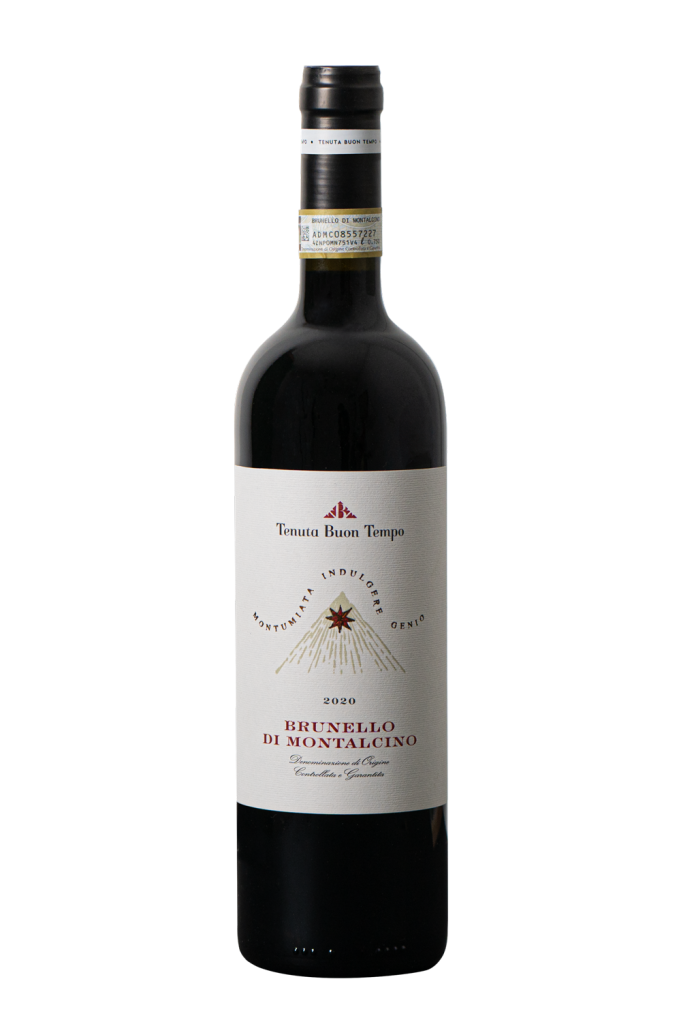
2020
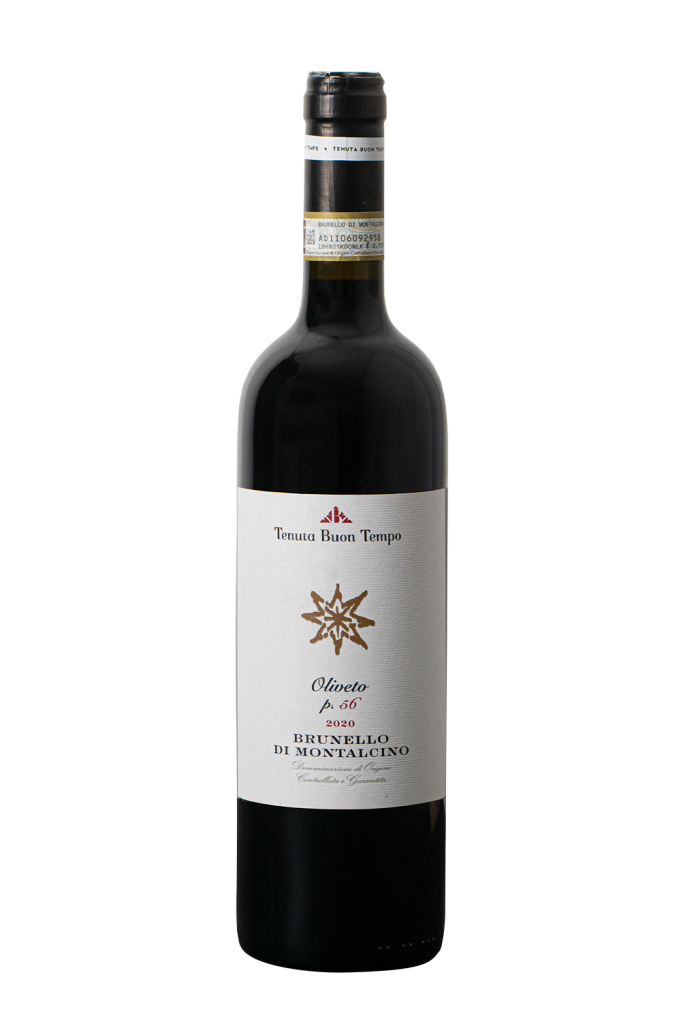
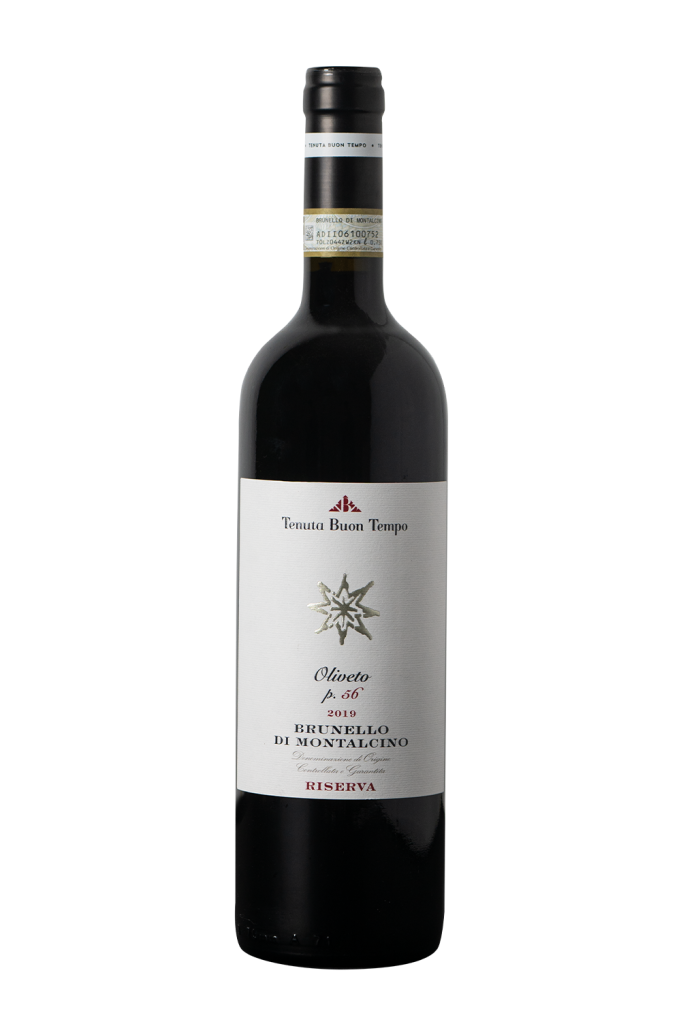
brunello di Moltalcino Oliveto P.56 D.O.C.G.
Our oldest vineyard, with vines around 30 years old planted in 1994 on 3.5 hectares facing South-West between 280 and 310 m above sea level, is trained with the spurred cordon method at a density of 3,000 plants/ha on the calcareous-clay soil of the Sillano Formation. This is where P.56 is born: a textured and elegant Brunello, crafted for longevity.
brunello di Moltalcino Oliveto P.56 Riserva D.O.C.G.
Between 1994 and 1996, the young vines of this roughly 5-hectare vineyard were planted, facing South-West and South-East between 260 and 310 m above sea level. Trained with the spurred cordon and guyot methods at a density of 3,500 plants/ha, on the calcareous-clay soil of the Sillano Formation, the vines give rise to a deep and enigmatic wine, of measured complexity and finesse.
2019